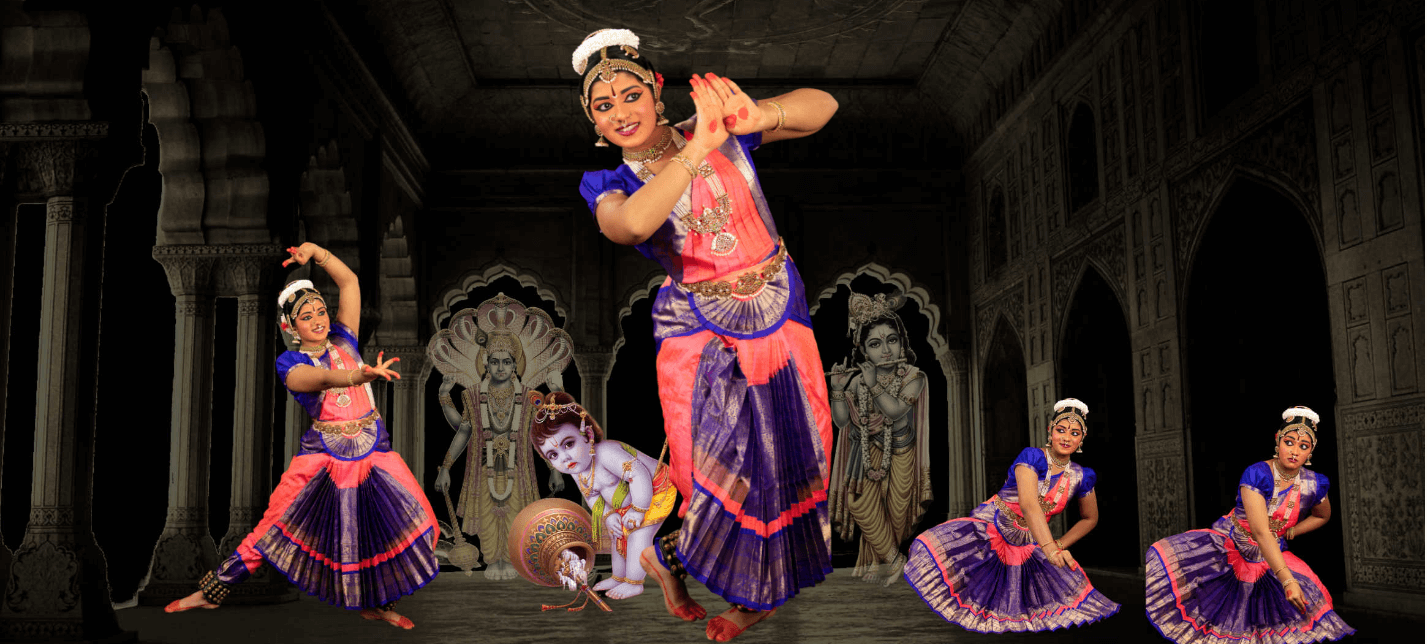
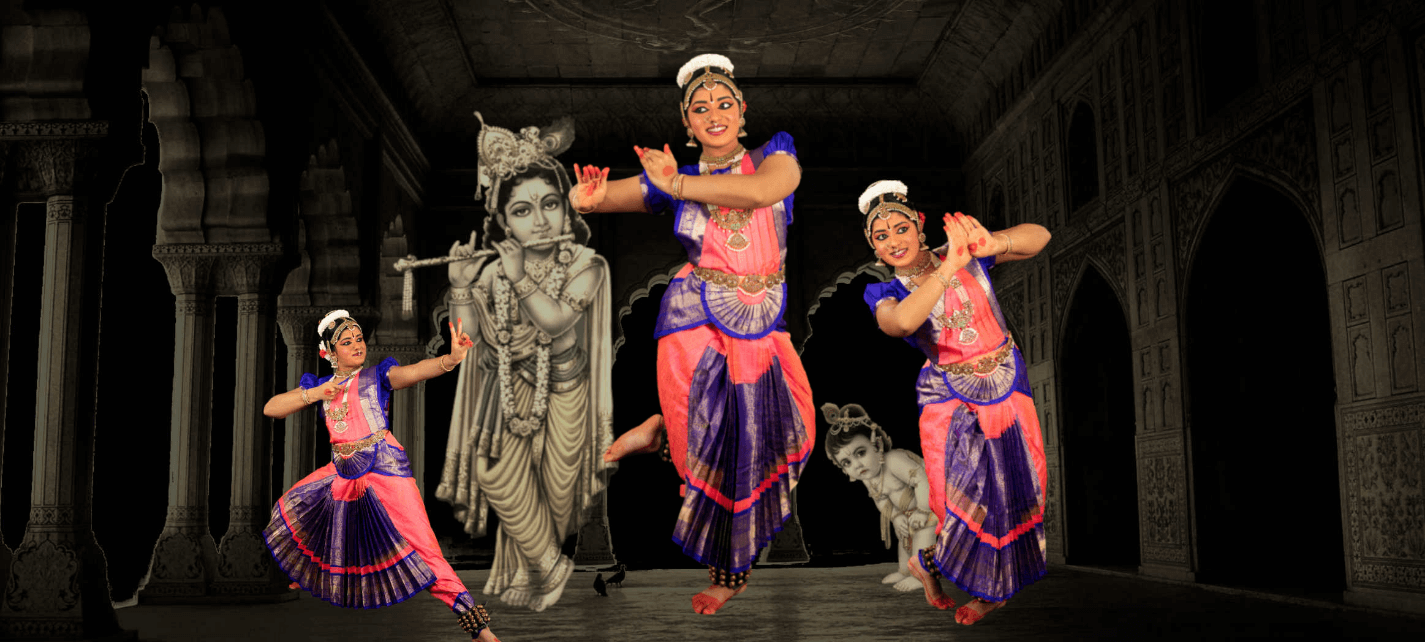
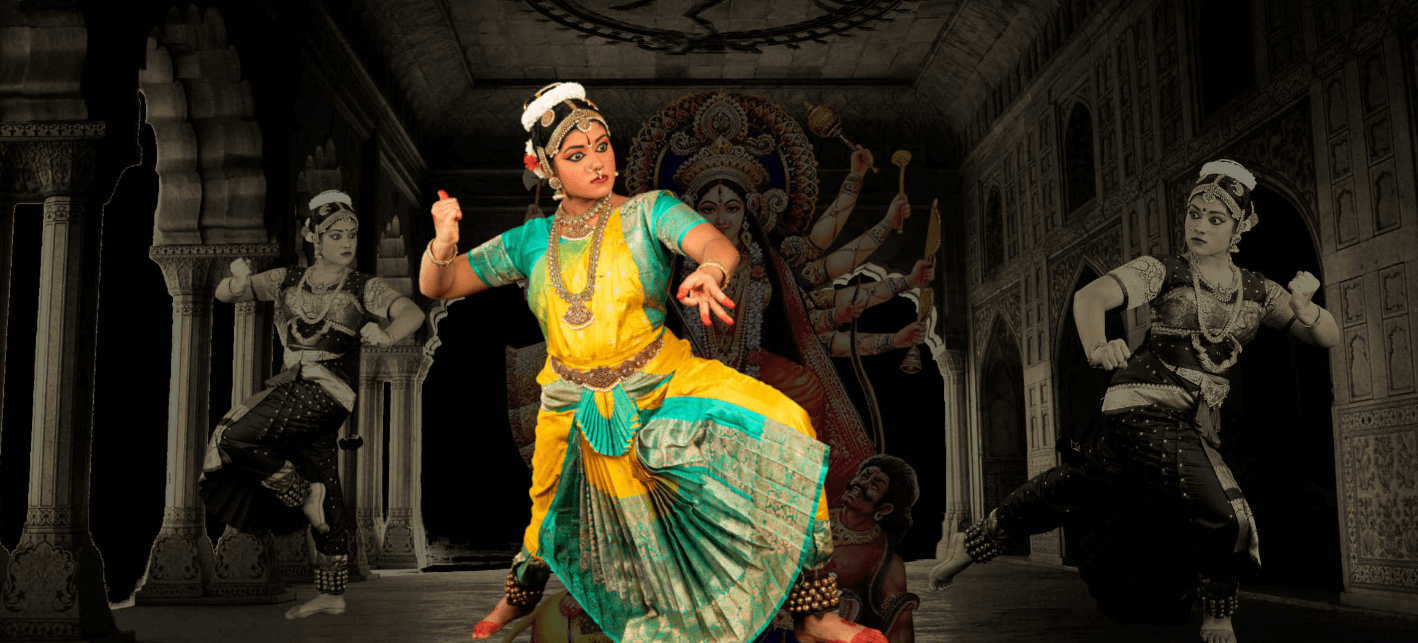
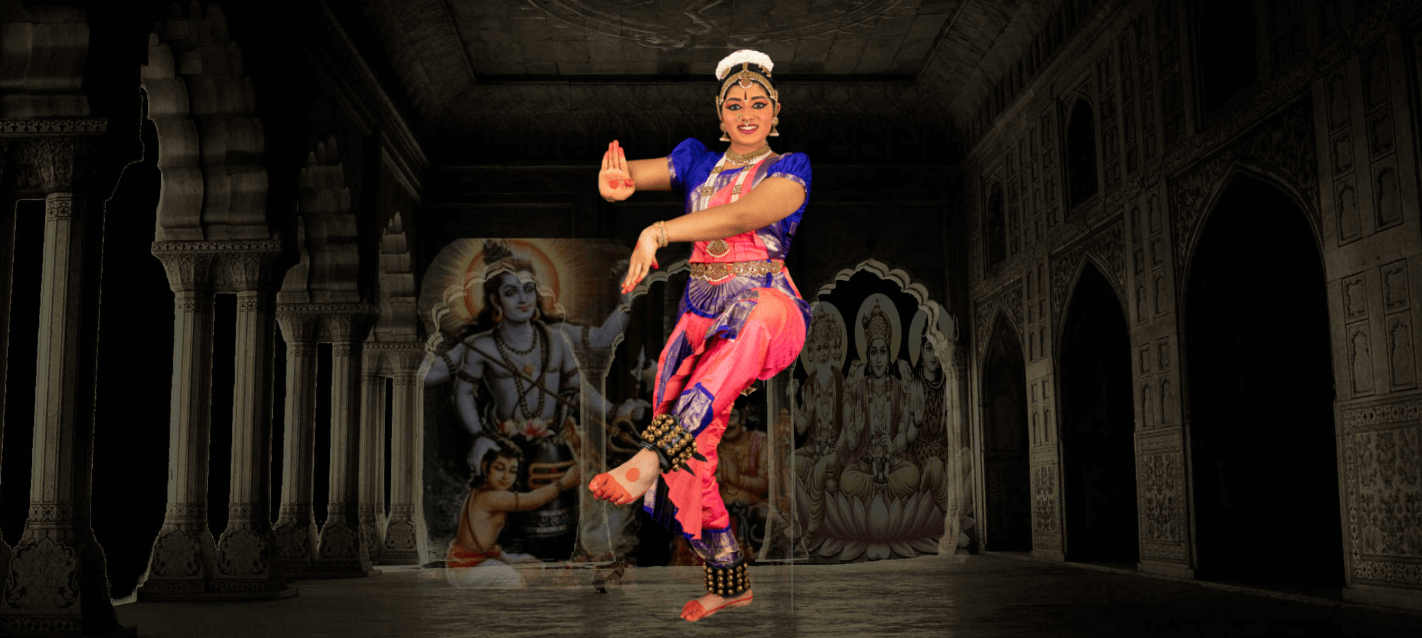
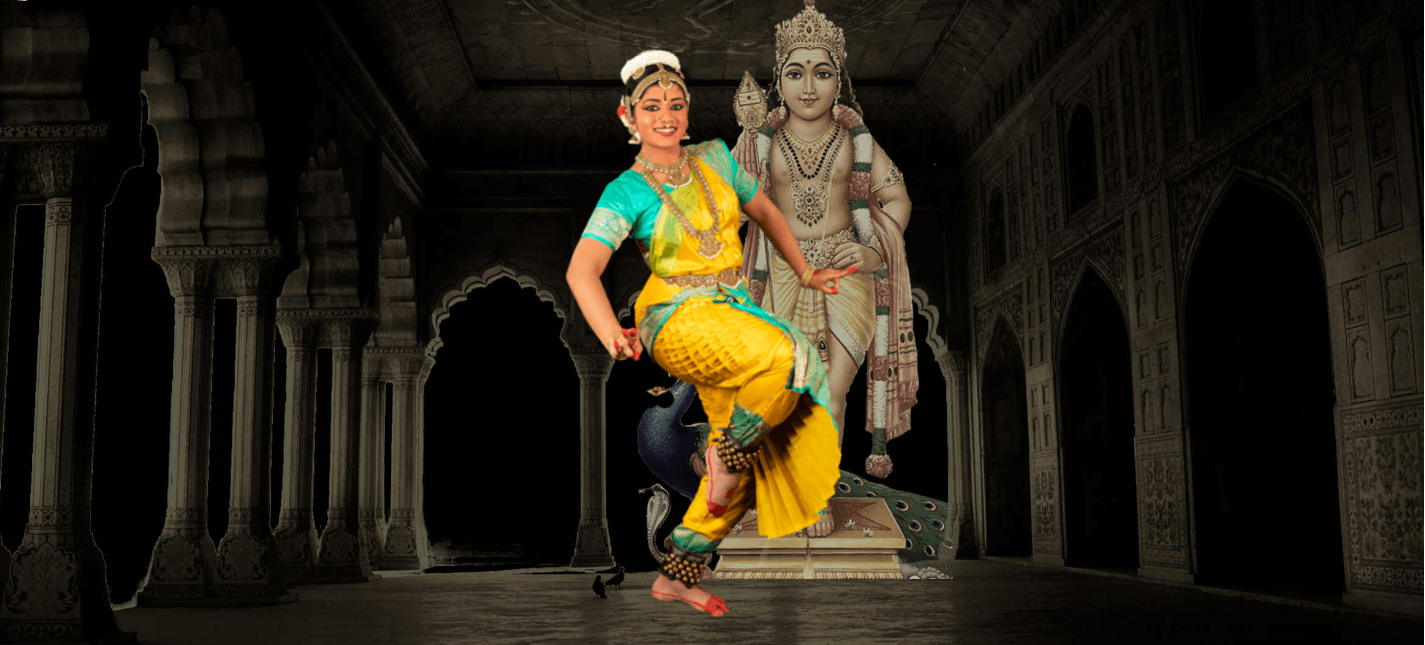
🌸What an Arangetram and My Margam Truly Mean to Me

The word “Arangetram” translates to “ascending the stage,” but for me it is not simply a debut performance. What makes it special is not just the day itself, but the journey—years of practice and preparation that have led to this moment, guided by my teacher, supported by my family, and sustained by my perseverance.
An ideal arangetram, in my eyes, is not measured only by how long one can perform, but by how deeply the dancer can connect tradition with personal meaning. It is the moment when discipline, memory, philosophy, and devotion come together into one expression.The arangetram gives me the opportunity to bring all of these together—to show not only what I have learned technically, but also how Bharatanatyam has shaped my character, my values, and my way of seeing the world.

My margam carries this meaning forward. Each item is not just a dance but a reflection of my identity as a person and journey as a dancer. When I look at my margam as a whole, I see more than a sequence of dance items—I see my grandparents’ devotion, my mother’s memories, my own search for equality and meaning, and the discipline that has carried me through years of training.This is why this margam is so important to me. It reflects not only tradition I am privileged to inherit, but also my personal journey and the values I hope to share through dance. I would be deeply grateful if, with the blessings of my Gurus, my dream of performing this ideal margam could come true. I would like my ideal margam to have three segments.
🌟 The First Segment
🪘✨ The first segment will open with Ganapathy Alarippu, a rhythmic invocation that pays respect to the stage and awakens both body and spirit. I have loved this piece ever since I first watched my mom perform it, and my admiration deepened when I saw it again at the annual 2025 Kruti recital, performed so beautifully by the group.
📜🌍 I would like my second piece to be a Stuti—a philosophical bhakti piece that emphasizes spiritual equality and surrender to the divine. When my mother and I discussed the songs of Tallapaka Annamacharya, Brahmamokkate stood out immediately. This choice is very personal to me. Over the summer of 2025, while preparing for Oxford’s John Locke Institute Global Essay Competition in London, I wrote on The Equal Vision of Life. In the process, I discovered the Bhagavad Gita’s verse on equal vision: “The humble sages, by virtue of true knowledge, see with equal vision a learned and gentle brahmana, a cow, an elephant, a dog, and a dog-eater.” (Bhagavad Gita 5.18). This teaching—that the divine resides equally in all beings—deeply shaped my outlook. To my surprise and honor, my essay was shortlisted from among tens of thousands of entries worldwide, and I have been invited to London for the award ceremony, where I will join the other hopefuls as the grand prize is announced that evening.